
Clay soil can be quite a challenge for growing plants and for gardeners. However improving clay soils can be done if you follow these tips.
Identifying clay soil:
Clay soil is any type of soil which has a high percentage of clay particles in it. Clays will feel slightly sticky and dense, but they will also feel quite smooth when a piece is rubbed between your finger and thumb. This type of soil is very slow to drain, quick to harden and difficult to use for anything but the hardiest of plants. Another way of identifying clay soil is to take a moist fragment of it in your hands and see if it can be rolled up into a ball and then into a sausage shape with no cracking. If you successfully managed to roll your soil into the sausage shape, you can rub the moist surface and if it becomes shiny, it is likely that your soil has very high clay particles and can be called a heavy clay.
Gardening with clay Soil:
If you have come to the conclusion that your lawn does have clay soil, then remember that even some of the best gardens thrive on heavy clay soil, such as Christopher Lloyd’s Great Dixter in East Sussex and RHS Rosemoor in Devon.
Clay soils works best with wooded plants such as trees and shrubs, however if you are wanting to plant finely divided foliage, it is important to dig in lots of coarse grit and create raised beds that are higher than the ground so that any water can easily drain away.
After a heavy rain pour, it is advisable to not walk on your lawn at all as it will completely lose its structure, become puddled and very compacted. It can be advisable to invest in some form of garden path or stepping stones to avoid damaging the clay.
The best time of year to dig with clay soil is autumn and early winter when the ground is still relatively dry. Once wetted by winter rains, clay soils often cannot be worked or walked on until mid-spring.
Winter frosts can be beneficial to clay and can gradually break it down. During winter, if digging is required it is recommended to dig the clay into narrow ridges to allow for more frost activity and increased drainage.
It is recommended to avoid planting and sowing too early, unless drainage can be improved by making raised beds or the ground warmed and dried in advance.
If you plant woody plants on a light mound, about 25cm/10″, then it caan help to avoid any root damage from clay soil water logging. If planting trees, shrubs and climbers, then it is best done when soils are dry and workable in the early autumn. However early vegetables are a challenge on clay soils, main crop vegetables are usually heavy yielding and potentially of outstanding quality. Tree fruits generally thrive on clay soils, although some soft fruits can be more trouble.
Improving clay soil:
 Plant on a mound – Raising an area of soil when planting trees and shrubs will improve drainage nd to reduce trampling of the soil
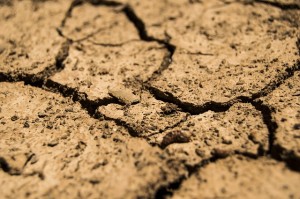
- Mulch – If clay dries out, it shrinks and cracks begin to appear. This can be prevented by adding a mulch in late spring on moist soil that has warmed up.
- Dig larger holes when planting – Always dig a hole about the size of the rootball so that roots will find it easier to grow. It is advised to break up the bottom of the hole with a fork for improved drainage.
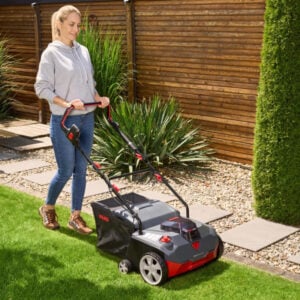
- Aerate and scarify your lawn – Worm casts on lawns can be a severe problem on clay soil and so is moss. Wire rake the thatch away from the lawn in autumn and then use a scarifier (or the tines of a fork) to produce drainage holes.
- Paths and stepping stones – Use paths and stepping stones to link the main areas of your garden so it is easier to avoid walking on the grass or soil and damaging the clay.
- Add grit, sand or gravel – Improve your soil by digging in coarse grit which will last for several years.