
Cottage gardens are the latest gardening trend for 2021! An original cottage garden would have been a simple allotment type affair, ordinary folk had no time for flowers and plants and would have needed to use all their available space for growing their vegetables, fruit and herbs.
Of course way back in Elizabethan times gardens would have been mostly full of fruit and herbs. It’s not entirely clear, but it’s a popular belief that the original cottage gardens came about after the Black Death during the 1300’s, when so many farming labourers lost their lives and therefore more land became available for cottages to spring up, complete with their own gardens.
These gardens would have perhaps had bee hives, fruit, maybe even livestock and there would have been an emphasis on herbs, after all these were used for healing as well as eating. Flowers and plants that we may take for granted as they grow freely on the side of roads such as violets, primroses and daisies would have sprung up between the herbs and the fruit trees in these early cottage gardens.
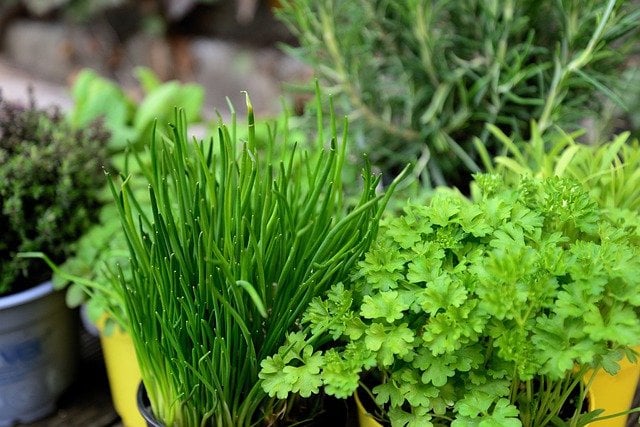
Probably home to a couple of pigs, and definitely a few chickens, these early cottage gardens would have looked a lot different to the ones we see today. Flowers were not entirely without their uses of course. It’s known that violets were picked and spread onto the floors of the cottages to spread a pleasant smell and primroses and herbs were used in cooking. Today a classic cottage garden will have flowers and plants and perhaps some herbs mixed in, but we’re not sure if everyone will have a pig sty!
So, how can you create the perfect cottage garden? Firstly you want to think about structure. Do you have space to create a winding, meandering path? This should look as natural as possible. Sometimes just some wooden sleepers sunk into the ground or a gravel path looks great in a smaller garden. Make sure you plant things right up to the edge to keep it looking as natural as possible.
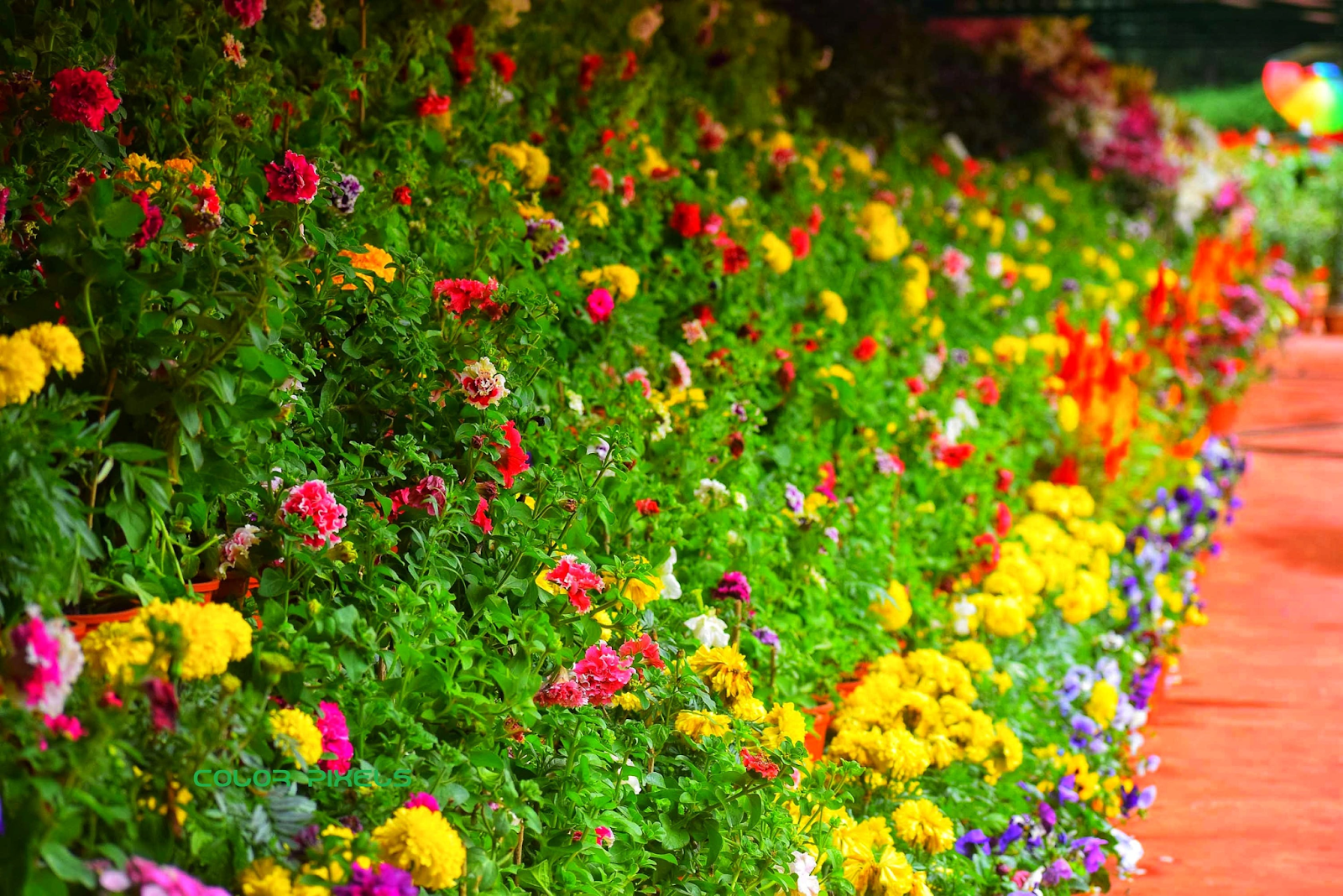
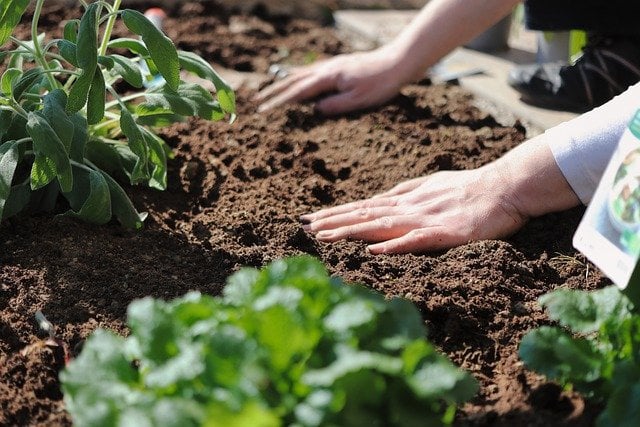
If you take the time to plan it out you can use all the different textures, heights and colours of different plants and flowers to create something truly beautiful. You’ll want to make sure your soil is rich and healthy and this can be created by adding additional compost and organic matter to your soil.
Finding out what type of soil you have can also help with the selection process. There are 3 main types.
Clay soil is harder to work with as it tends to form large lumps and will take some work to break up, but is great for growing. Loam soil is the ideal one for healthy growth. This will be really crumbly and have good drainage. Sandy soil will be looser but is not as good for growing as it does not retain nutrients.
There are garden environmental services where you can send a sample of your soil to determine which kind it is and the results are fast and accurate. If planting against a wall or a fence then at the back you may like to select flowers that will grow taller and straight up, rather than spreading out. Things like hollyhocks and foxgloves and delphiniums for their scent alone.
Of course no garden would be complete with roses – and there’s too many times to list here but you can easily pick the types to suit your garden, from rambling roses to rose bushes when they are out in full bloom they are the very essence of a cottage garden.
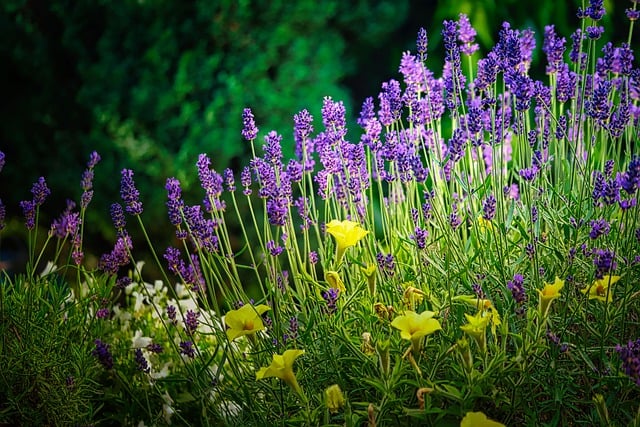
Lavender looks great planted along the edges of paths and flower beds and when you brush past on a hot June evening then you will get the gorgeous scent of this wonderful plant. It grows and spreads so don’t plant them too closely together, always read the label as it will tell you how big that particular variety will get. It also looks lovely in a tub but needs careful care and does much better in the ground and can also be picked and dried and used in arrangements or made into gifts for people. Another use is to stuff it inside your pillow case for a better night’s sleep!
When it comes to planting out the middle of your bed, consider some foliage in there. Id adds a bit of strength to those plants that might need it in while they are in their early growth stages.
At the back of your bed wisteria will do well and will climb over pretty much anything and add a lovely backdrop to your garden. Cat mint is super easy to grow and will be tall and willowy and will bring year round interest to your garden. Phlox is loved by bees and butterflies and has an usual domed head which is very attractive and should bloom for around 5 weeks.
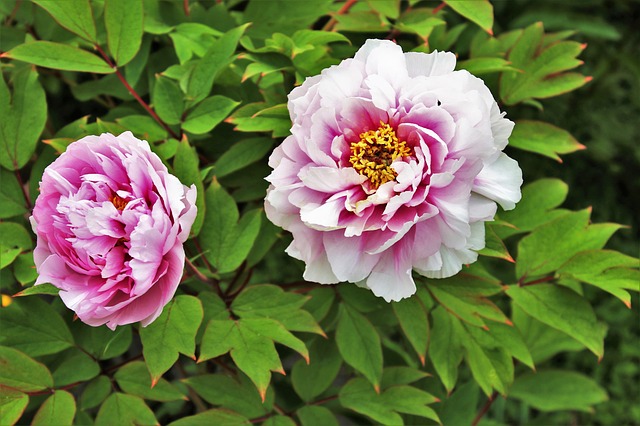
If you want something you can cut and bring into the house then consider the peony, with many types and colours to choose from it might be nice to get a wide selection. Cosmos are also easy to grow and look great in a cottage garden with their vibrant and striking colours.
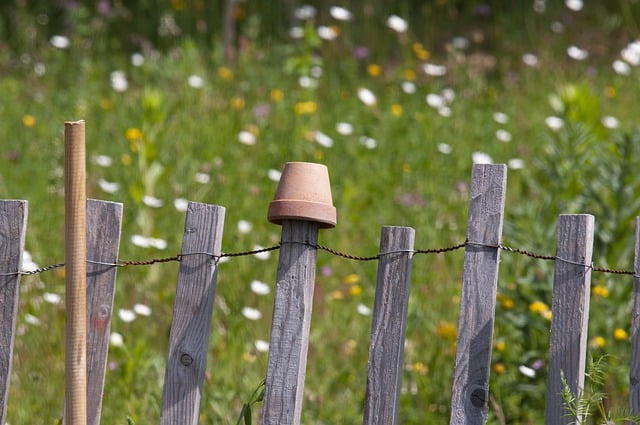
The best thing about creating a cottage garden is that it will be totally unique to you and your outdoor space. It doesn’t have to be neat and it doesn’t have to be hard work either. A few weeds here and there will probably do more good than harm and will only be a problem if they start to take over. Wild flower seeds can also be bought cheaply and just sprinkled about and will bring up some gorgeous flowers like cornflowers, poppies and daisies.
If you’ve created the perfect cottage garden or are in the process of doing so, we’d love to see your before, after and during photos!