
As summer fades into September, your lawn has likely taken a beating. Months of foot traffic, hot sun, and reduced rainfall often leave turf looking tired, patchy, and compact. While spring gets all the publicity for garden care, early autumn is actually the most important time of the year for lawn renovation. The soil retains summer heat, seasonal rainfall returns, and weed growth slows down – creating the perfect conditions for grass seed to germinate and roots to establish deeply before winter.
Here is your step-by-step guide to renovating your lawn this September for a lush, thick carpet next spring.
Step 1: Remove Thatch and Moss (Scarifying)
Over the summer, dead grass stems, roots, and moss accumulate at the base of your turf, creating a dense layer known as thatch. A thin layer of thatch is normal, but anything thicker than half an inch blocks air, water, and nutrients from reaching the root system.
Scarifying uses vertical steel blades to cut down through the turf canopy, pulling out organic debris and moss so your grass can breathe again.
Choosing the Right Scarifier for Your Lawn:
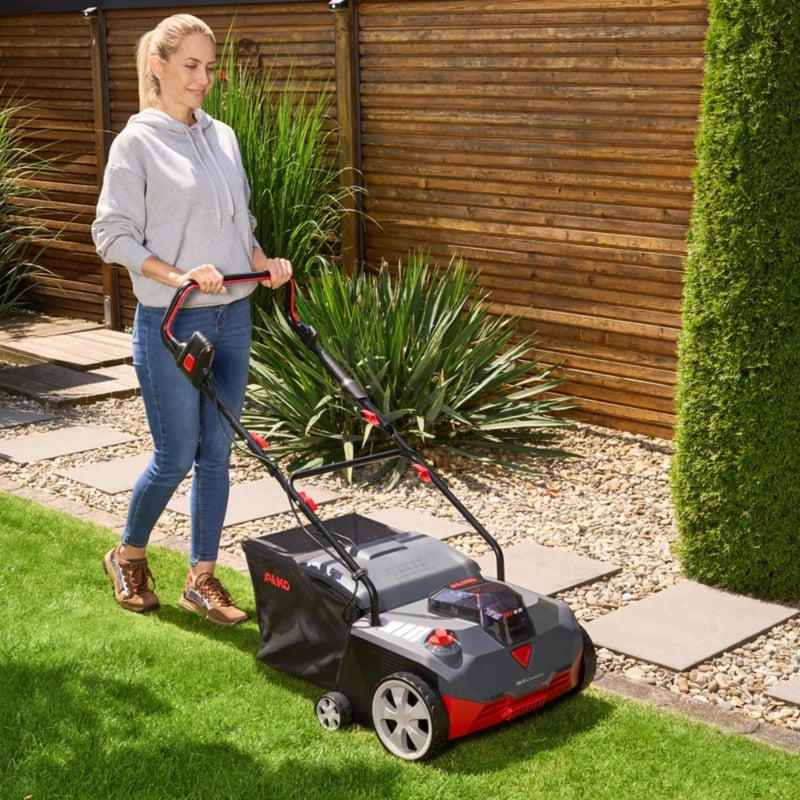
- For Small to Medium Gardens: The AL-KO 38 E Combi Care Comfort Electric Lawn Scarifier is a versatile, user-friendly electric choice. Featuring a 38cm working width, a 1300W motor, and a 2-in-1 system with interchangeable scarifying and raking drums, it effortlessly removes moss and thatch while collecting debris in its 55-litre bag without the need to manage petrol engine maintenance.

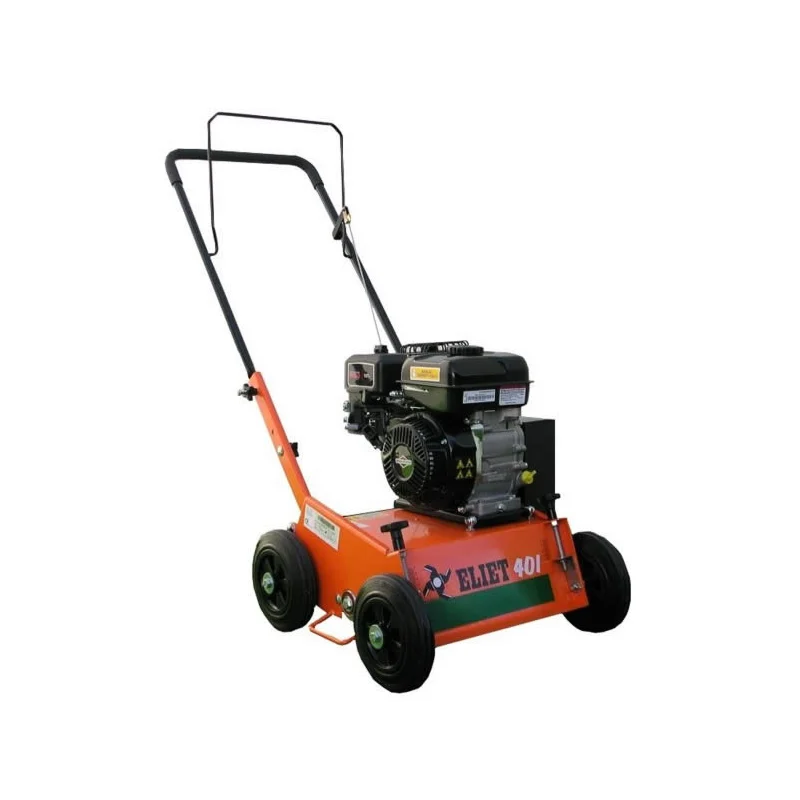
- For Larger Grounds and Heavy Thatch: The Eliet E401 BS550 Petrol Scarifier is built for serious, heavy-duty renovation. Powered by a reliable Briggs & Stratton 550 Series engine, it features Eliet’s permanently sharp blades that resist wear and maintain maximum efficiency. Its robust steel chassis and precise depth adjustment make short work of thick thatch layers across larger, demanding lawns.
Step 2: Relieve Soil Compaction (Aerating)
Heavy summer use bakes the ground hard, squeezing out oxygen pockets essential for healthy root growth. Aeration involves spiking or removing small plugs of soil from the lawn.
- Spiking (Slicing): Creates vertical slits in the soil to let water and air drain down quickly.
- Hollow Tining: Extracts small core plugs of soil, ideal for clay soils or high-traffic lawns suffering from severe compaction.
Aerating breaks up hardpan soil, encouraging grass roots to grow deeper, which makes your lawn significantly more drought-resistant next summer.
Step 3: Overseed and Feed
Once you’ve scarified and aerated, your lawn might look a little bare—don’t panic! This open soil surface is the perfect seedbed.
- Sow Quality Grass Seed: Choose a seed mix suited to your lawn’s conditions (e.g., hardwearing rye mix for kids and pets, or fine fescue for shaded areas).
- Top Dress: Lightly dust a thin layer of topdressing soil or compost over the seed to protect it from birds and retain moisture.
- Apply Autumn Lawn Food: Use an autumn-formulated fertiliser. Unlike spring fertilizers high in nitrogen, autumn feeds are rich in potassium and phosphorus, which strengthen roots and harden grass blades against winter frost without pushing soft, vulnerable foliage.
Key Autumn Renovation Checklist
- Mow low first: Cut the grass slightly shorter than usual before scarifying.
- Pick a dry day: Scarify when the soil is slightly moist but the grass canopy is dry.
- Scarify in two directions: Pass over the lawn once, then make a second pass at a 45-degree angle to lift stubborn thatch.
- Keep new seed moist: Water newly sown areas daily for 10–14 days until seed establishes.
Transform Your Lawn This Autumn
A little effort in September pays off tenfold when spring arrives. By removing thatch and aerating now, you ensure your turf stays healthy, resilient, and green all year round.
Ready to give your lawn a fresh start? Explore our complete range of Scarifiers and Aerators to find the perfect machine for your garden.